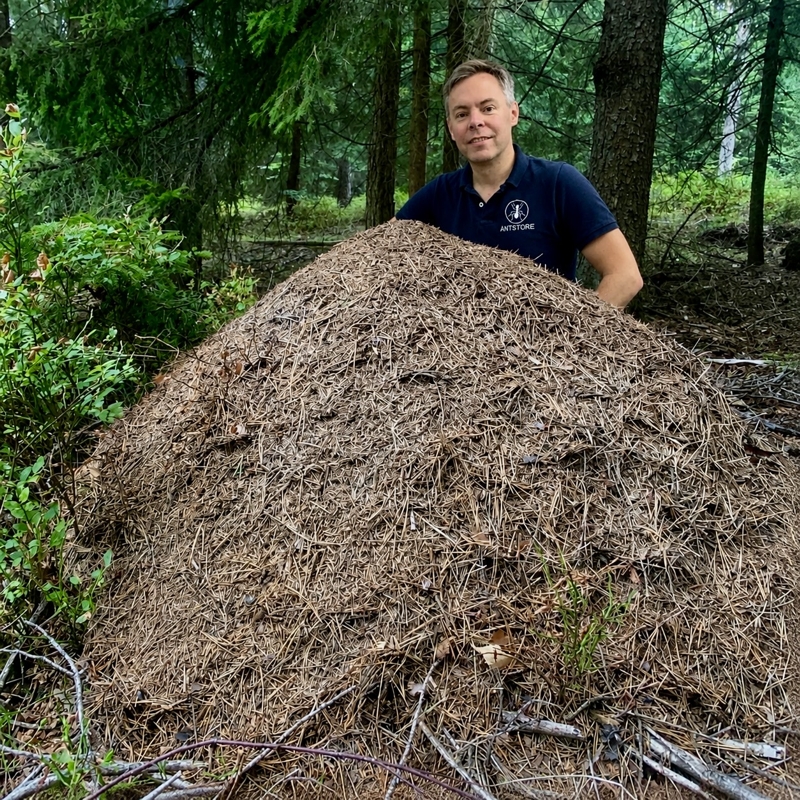
Successful ant keeping does not begin in a laboratory or behind a desk – it begins in nature.
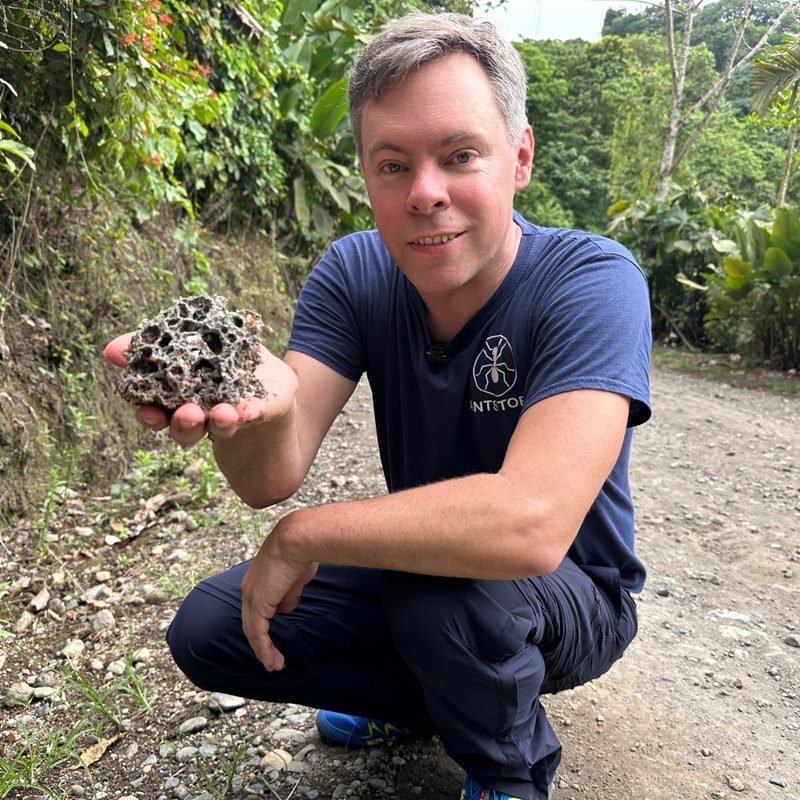
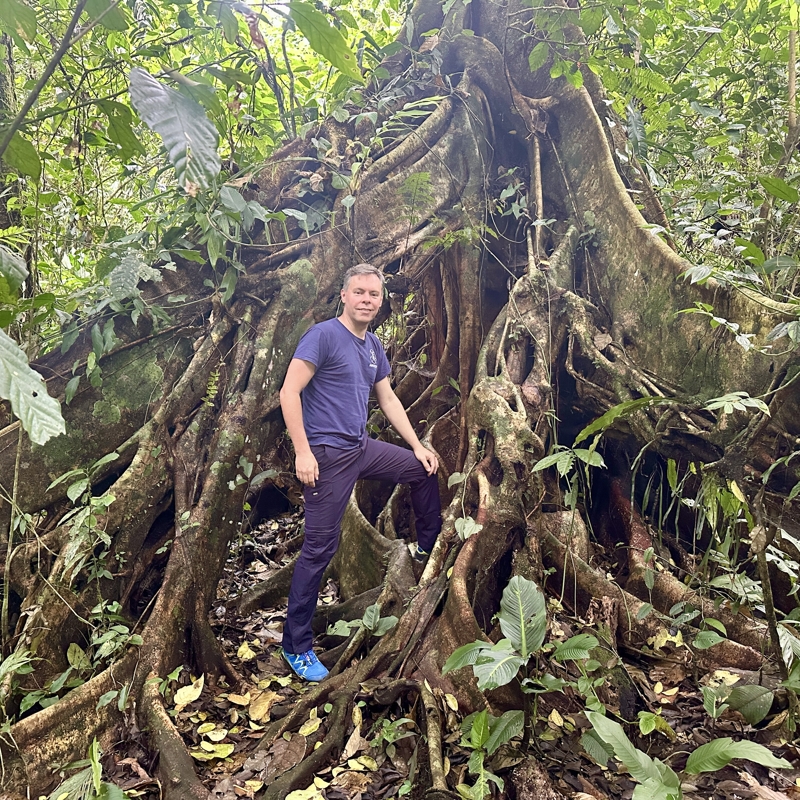
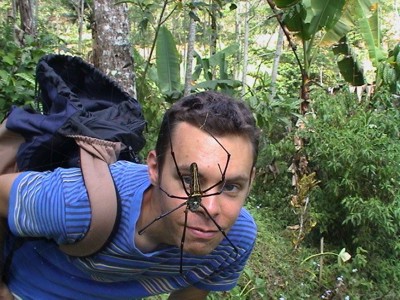
For many years, the ANTSTORE team has traveled to the natural habitats of numerous ant species across every continent on Earth. Our expeditions have taken us to Africa, South America, Southeast Asia, and Australia. There, we observe ant colonies directly in their natural habitats and document every aspect of their behavior and lifestyle in great detail.
The knowledge gained from these expeditions flows directly into the development of our ANTCUBE formicariums, nest modules, and husbandry concepts. This allows us to create products that closely replicate the natural living conditions of each ant species and support species-appropriate ant keeping.
As the world's first specialized ant store, we are among the very few ant specialists worldwide who have not only been keeping and breeding ants for decades but also regularly conduct expeditions to their natural habitats.
The health of an ant colony begins with its origin.
Our goal is to enable you to keep ants as naturally, responsibly, and successfully as possible over the long term. That is why we combine decades of experience with worldwide expeditions, in-house product development, and personal expert advice. Because only those who truly understand nature can create habitats in which ants genuinely thrive.Expeditions – Learning from Nature
Only by understanding how ants live in nature can we develop a formicarium that truly meets their natural needs.
Our expeditions provide answers to important questions
Experience from Nature, Research, and Practical Husbandry
In addition, we work closely with experienced ant keepers, scientists, breeders, and international partners. This continuous exchange of knowledge allows us to constantly expand our expertise and provide professional advice when choosing the right ant species, the ideal formicarium, and the best husbandry methods – a level of expertise that is difficult to find anywhere else.
Healthy Ants from Responsible Sources
For this reason, our ants are collected exclusively in a sustainable and responsible manner from their natural distribution areas.
Our Mission
For many years, we have traveled around the world to observe and collect ants in their natural habitats.
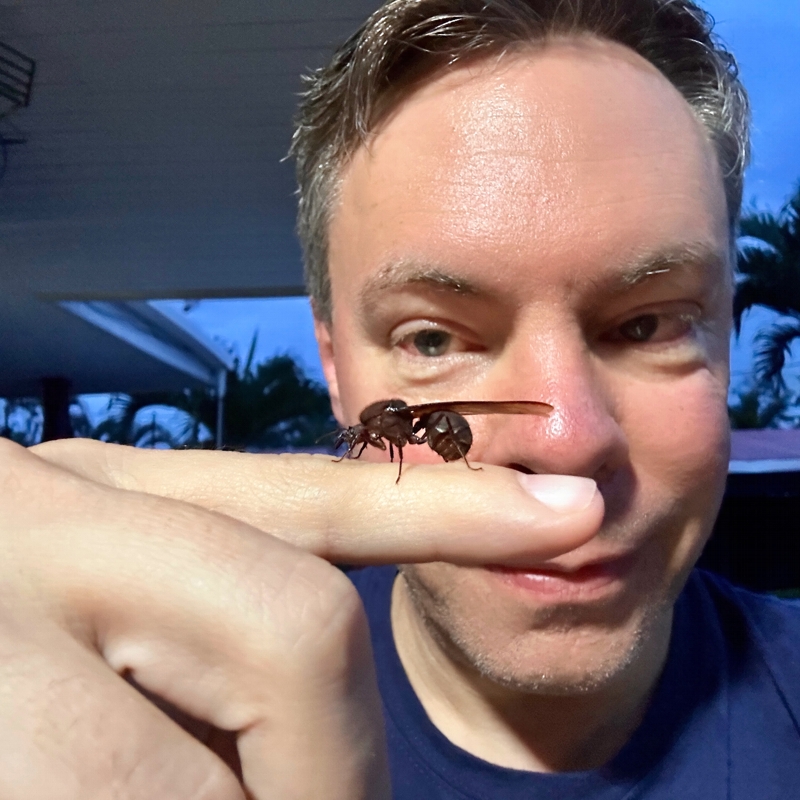
Here you can find impressions from some of our expeditions and collecting trips.
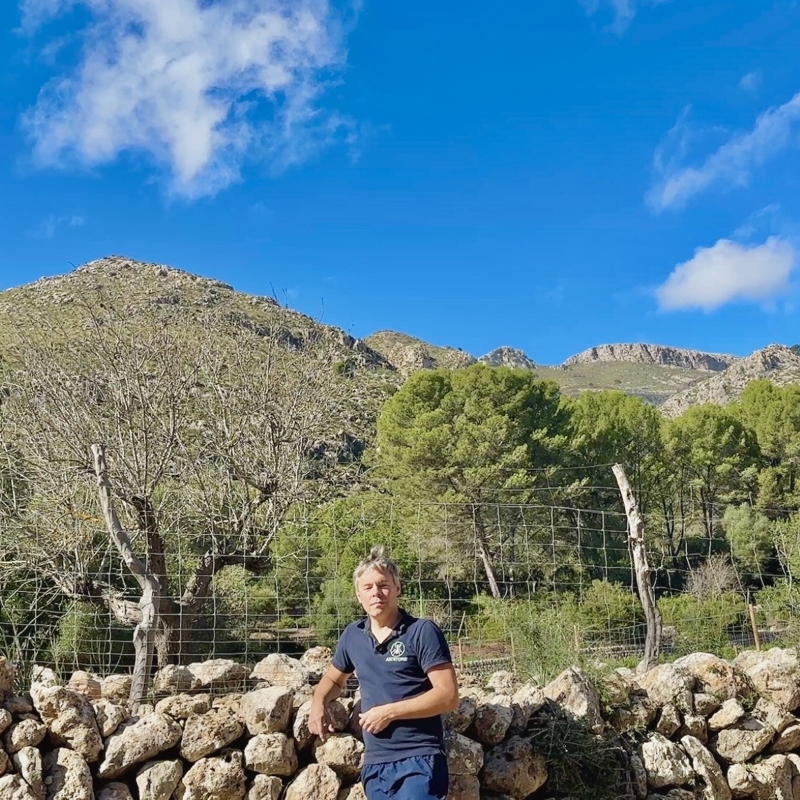




But our native ant world is also of great interest to us: