


Popular ant species: find the right ants for your experience
Every ant species has different care requirements, colony growth and space needs. Here you can compare beginner-friendly and more demanding ant species and find a suitable starter set for the colony you choose.
Looking for an established colony? View our list of large ant colonies currently available →
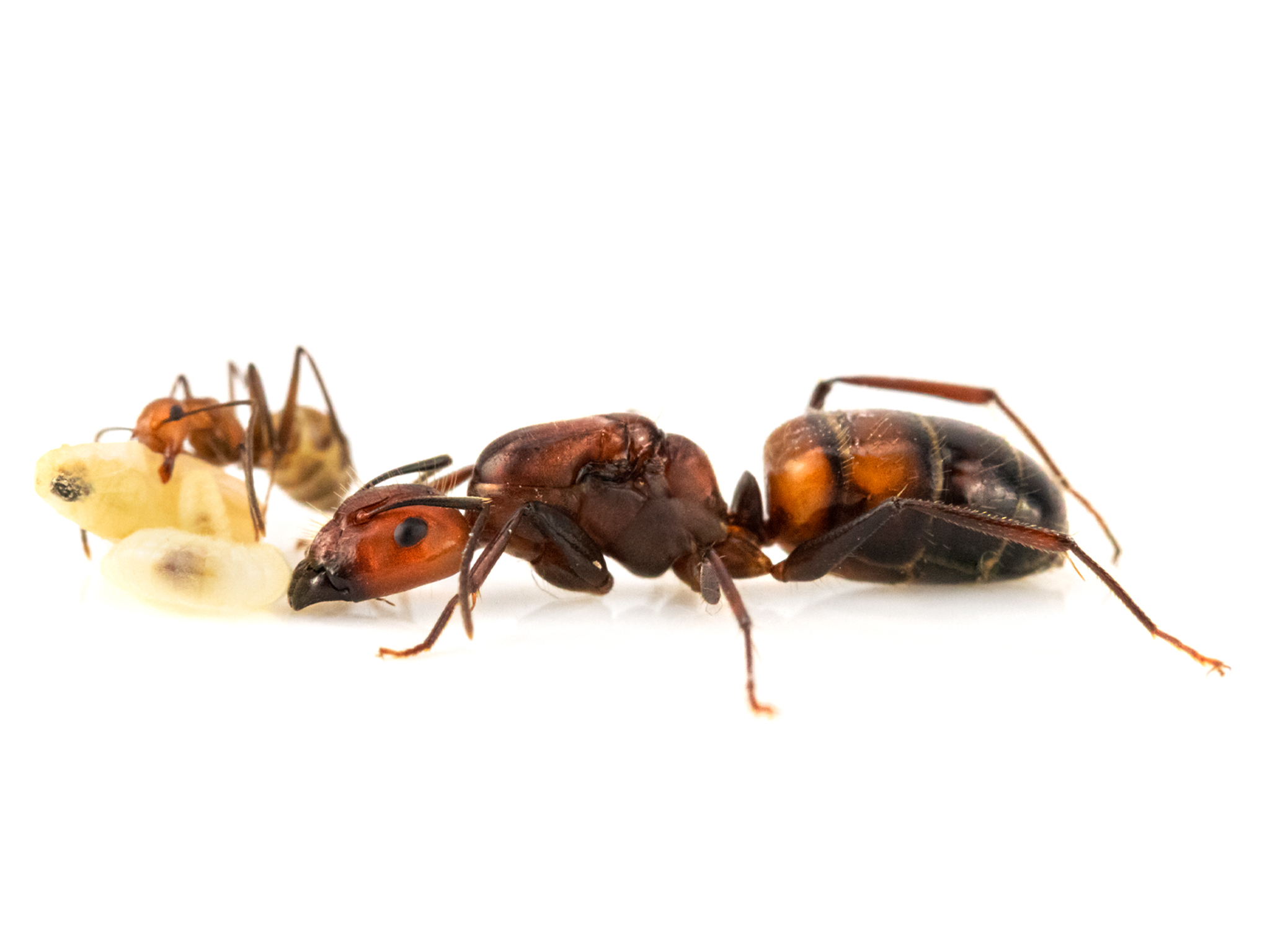
Ant species for beginners
These species are robust, manageable and well suited for first-time ant keepers.
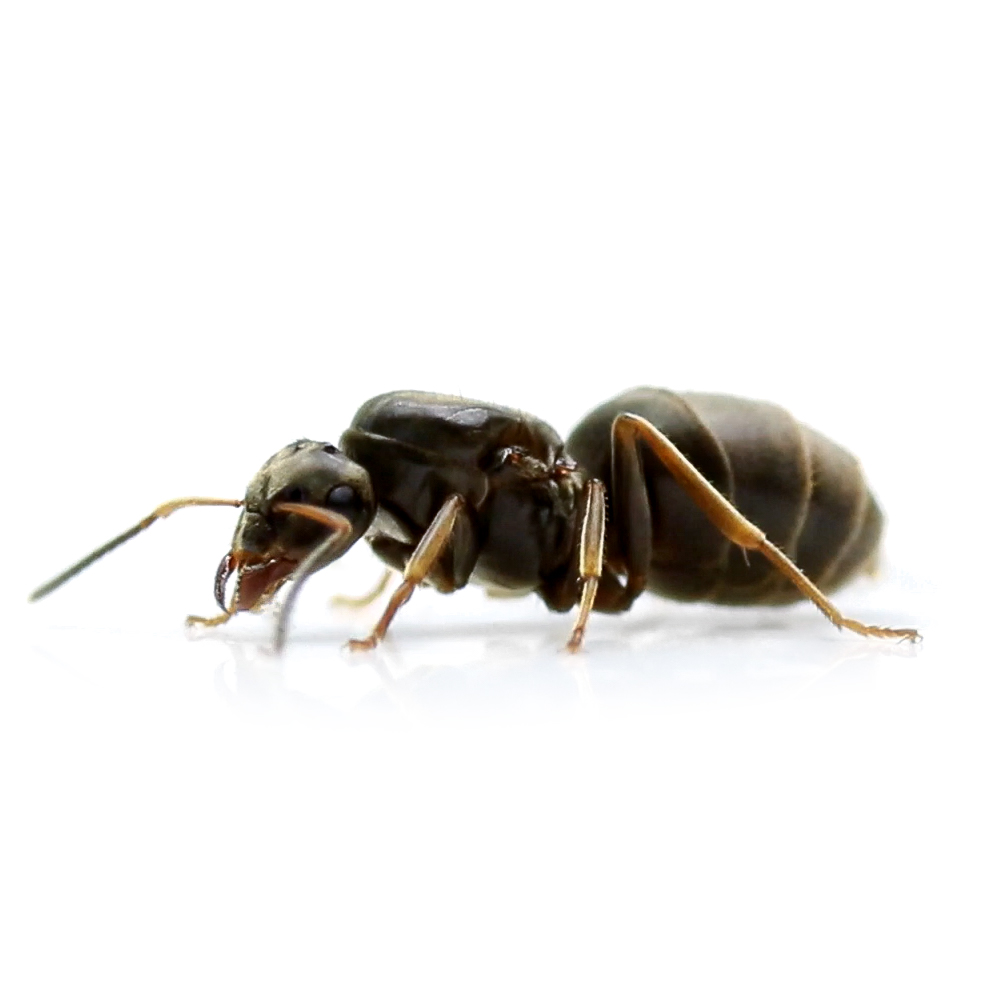
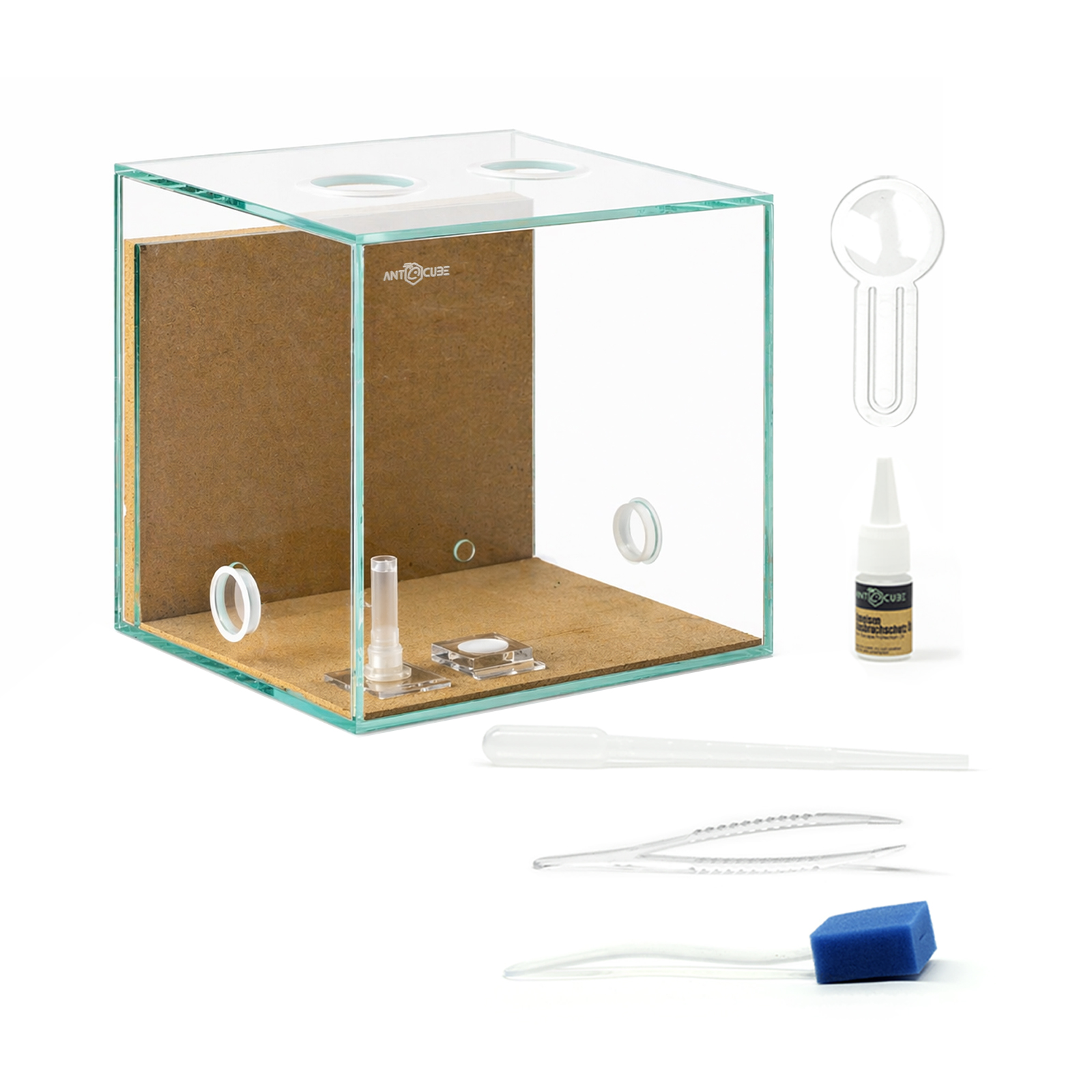
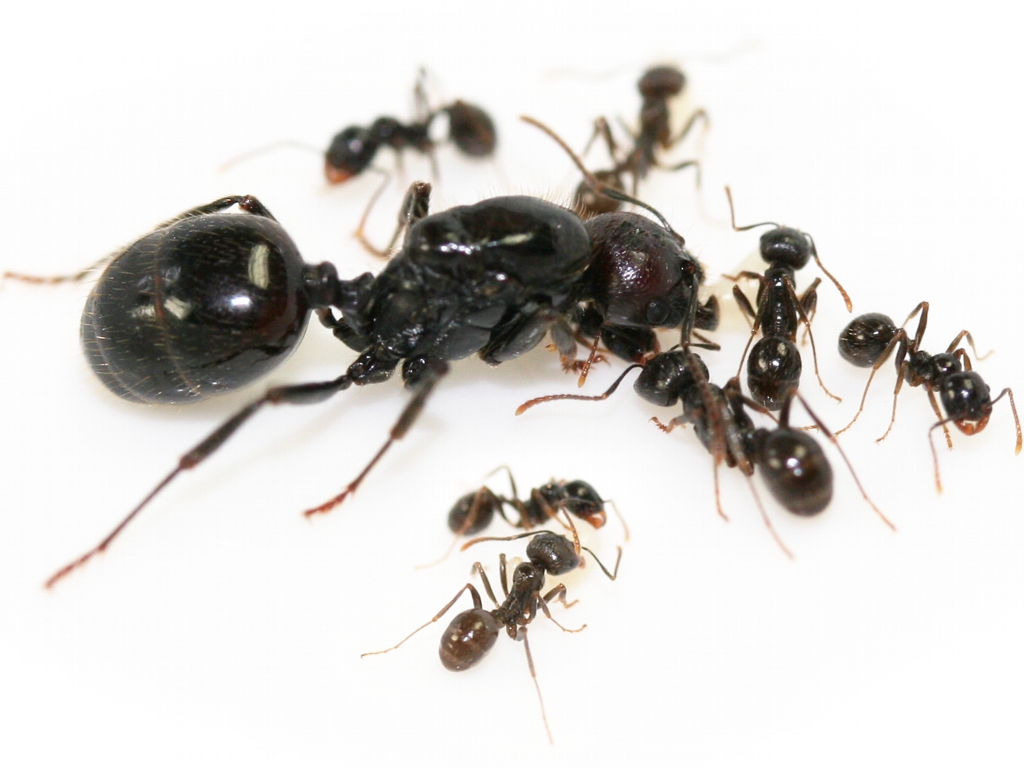
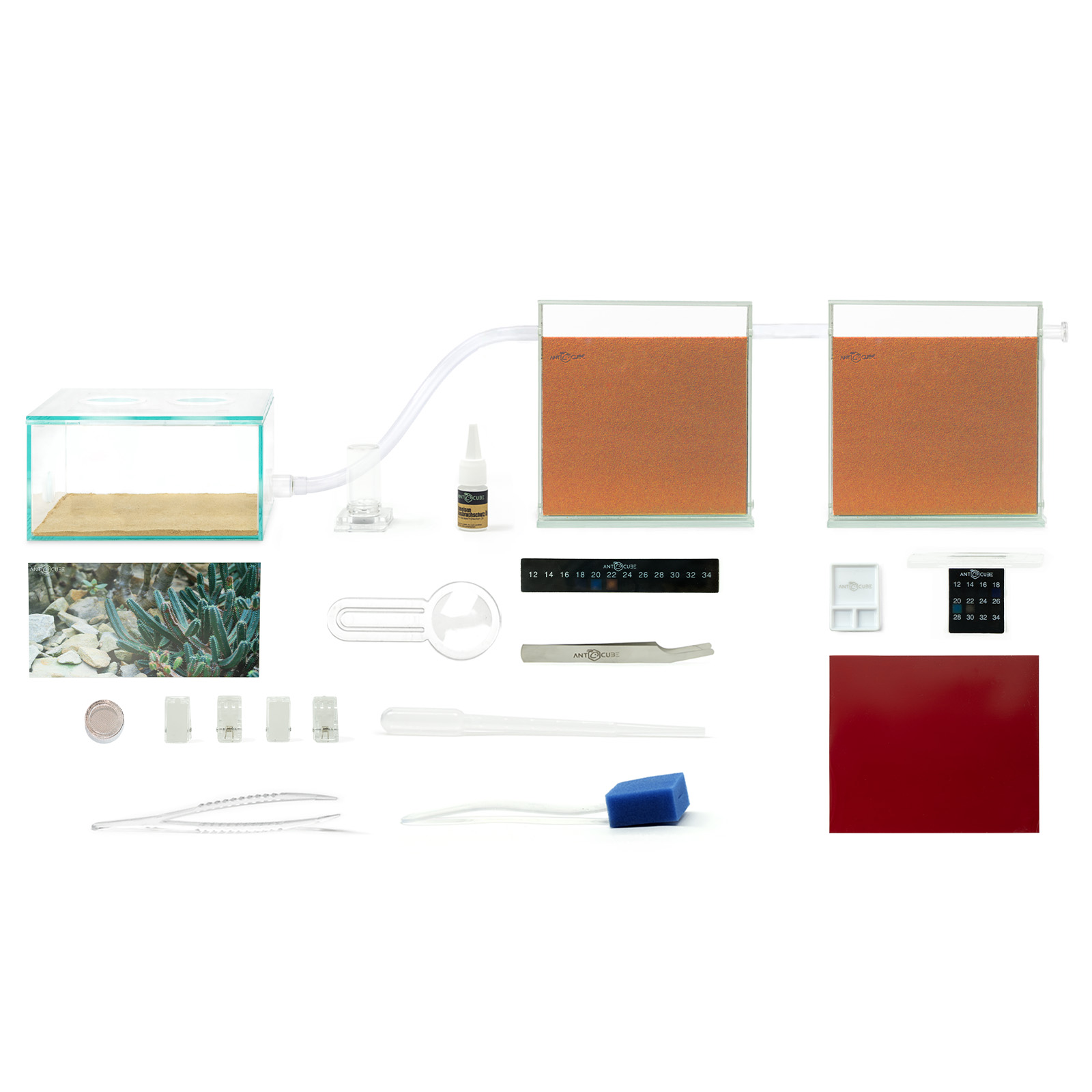
Species for experienced keepers
These species have more specialized needs and require experience in ant keeping.
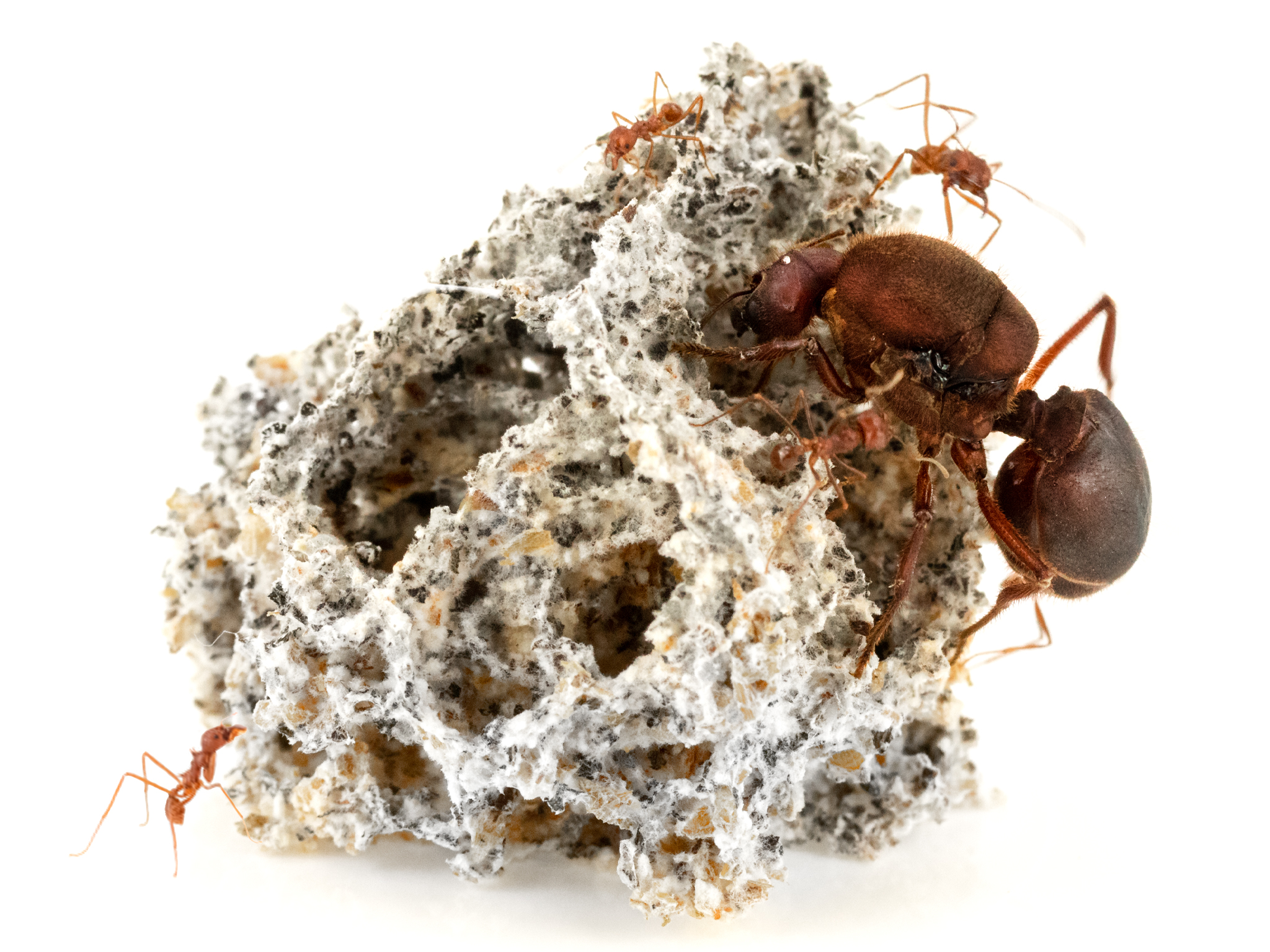
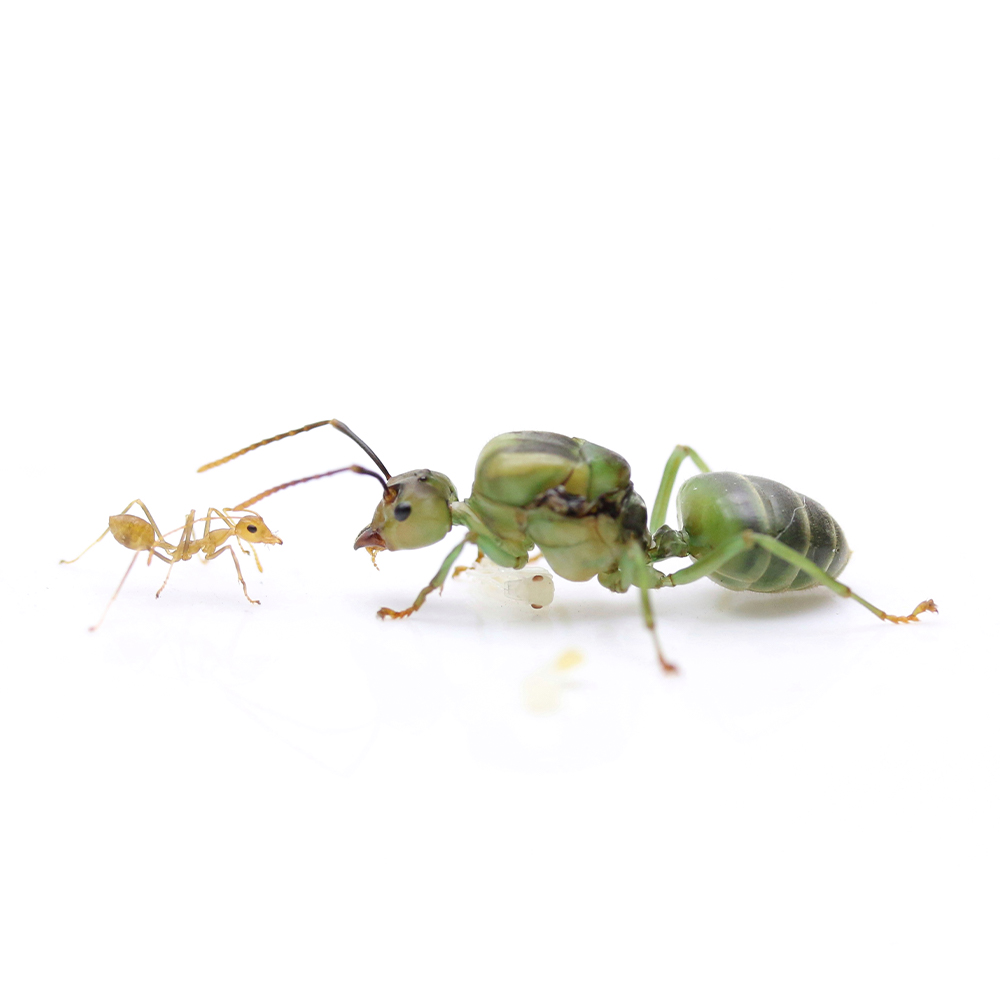
Leafcutter Ants (Atta / Acromyrmex)
Advanced care
THE ANTS
Explore our leafcutter ant species and colonies.
How to choose the right beginner ant species
Choosing a suitable ant species is one of the most important decisions when starting or expanding an ant colony. Different species vary considerably in worker size, colony growth, activity, behaviour, climate requirements and the amount of space they may eventually need.
A species that suits one ant keeper may be unsuitable for another. Before choosing a colony, consider your experience, the available space and whether you can reliably provide the required temperature, humidity and seasonal conditions.
If you are asking yourself “Which ant species should I buy?”, start by comparing care level, colony size, climate requirements, diapause, feeding behaviour and long-term space needs.
Compare popular ant species
Popular ant species can have very different care requirements. A resilient European species, a tropical Camponotus colony, weaver ants and fungus-growing leafcutter ants should not be evaluated in the same way.
Important factors to compare include:
- Experience level: Some species tolerate minor environmental fluctuations better than sensitive or specialised species.
- Colony size: A small starting colony may eventually develop into a colony that requires considerably more space.
- Worker size: The size of the queen and workers can influence handling and escape prevention. Very small ants may require particular attention to gaps and escape barriers.
- Climate: Temperature and ambient humidity requirements differ between European, tropical and subtropical species.
- Diapause: Many European species require a seasonal rest period, while tropical species may follow a different annual cycle.
- Colony growth: Some colonies develop slowly and remain manageable for longer, while others may need rapid expansion.
- Feeding behaviour: Seed-harvesting ants, sugar-feeding species, insect hunters and fungus-growing ants require different feeding routines.
- Care complexity: Weaver ants and leafcutter ants require more specialised care than many commonly kept European species.
How to choose beginner ant species?
Beginner ant species should generally have understandable care requirements, tolerate minor variations in their environment and develop at a manageable rate. However, no ant species is completely maintenance-free, and the individual species requirements should always be checked before purchase.
Lasius niger, Messor barbarus and selected Camponotus species are often considered among the best ants for beginners, although their behaviour, diet, climate requirements, winter sleep and colony development differ considerably.
The species description, husbandry class, risk class, expected colony size and recommended climate information should therefore always be checked carefully.
Why do some ant species require more experience?
Some popular ants are better suited to experienced keepers. Weaver ants build nests using leaves and require real plants (or our nest ball), but also space and tropical conditions. Leafcutter ants cultivate fungus and require as the colony grows a carefully managed system with separate feeding, fungus and waste areas.
The popularity of a species does not automatically mean that it is easy to keep. Specialist species should only be selected when their climate, housing and long-term space requirements can be provided reliably.
Consider the future colony size
The size of the starting colony does not show how much space the ants may require later. Some colonies remain small for a long time, while others grow quickly and may need additional nests, arenas or connections.
Before choosing a species, check the expected mature colony size and consider whether the setup can be expanded as the colony develops.
Choose housing that matches the species
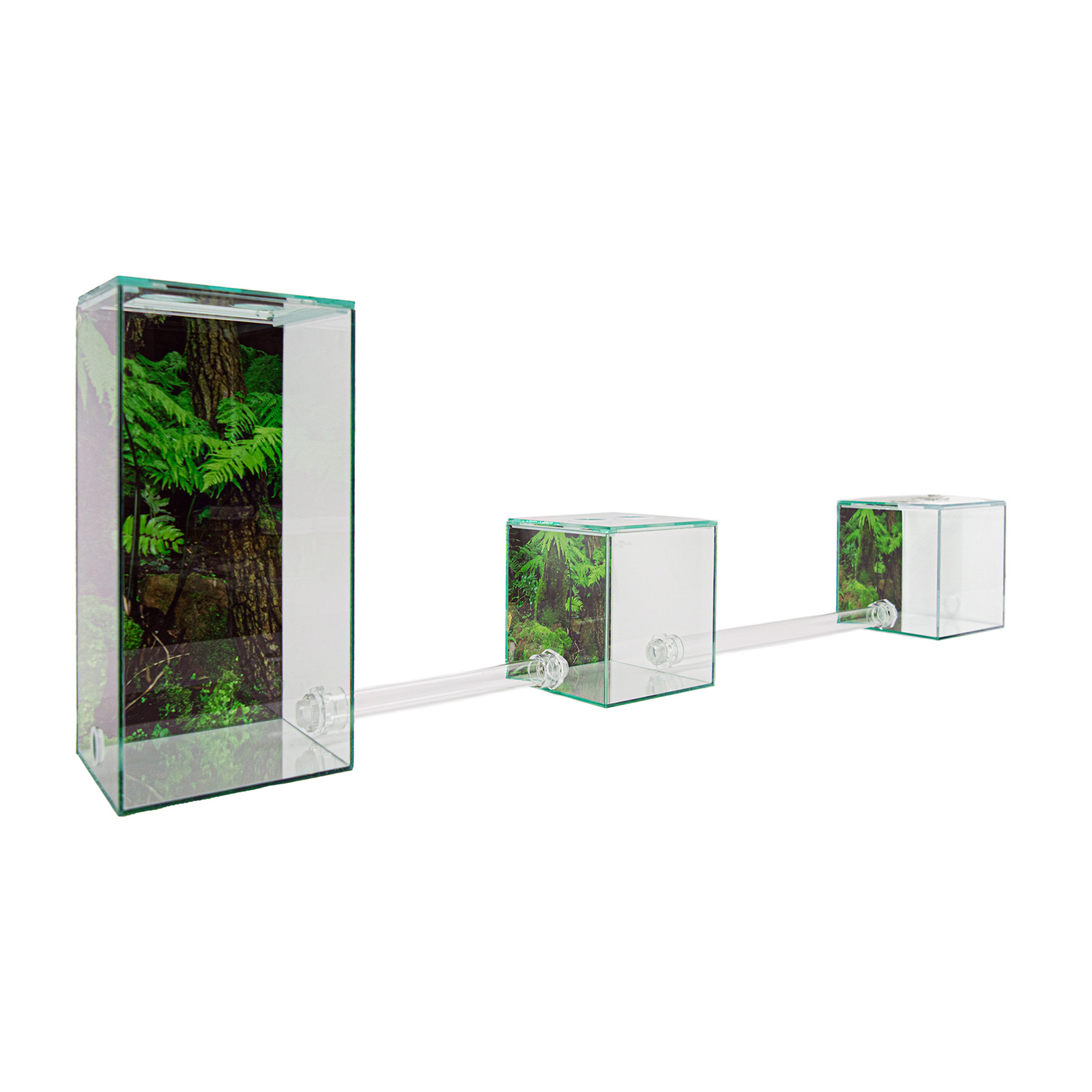
Once you have chosen an ant species, the housing should be selected according to the size, behaviour and moisture requirements of that colony. The housing should provide enough space for the ants to move naturally while remaining secure enough to prevent escapes. The nest, connections and tubing should therefore be chosen with the size and behaviour of the species in mind.
Important factors include:
- the size of the queen and workers;
- the current and expected colony size;
- the preferred nesting material;
- the necessary temperature and humidity;
- the escape-protection requirements;
- whether the system can be expanded later.
These factors are intended to help you choose the species first. After selecting a suitable colony, use the relevant species guide and product categories to identify appropriate housing and accessories.
Choose the right setup for your ant species
To view the current range, visit our ants for sale category.
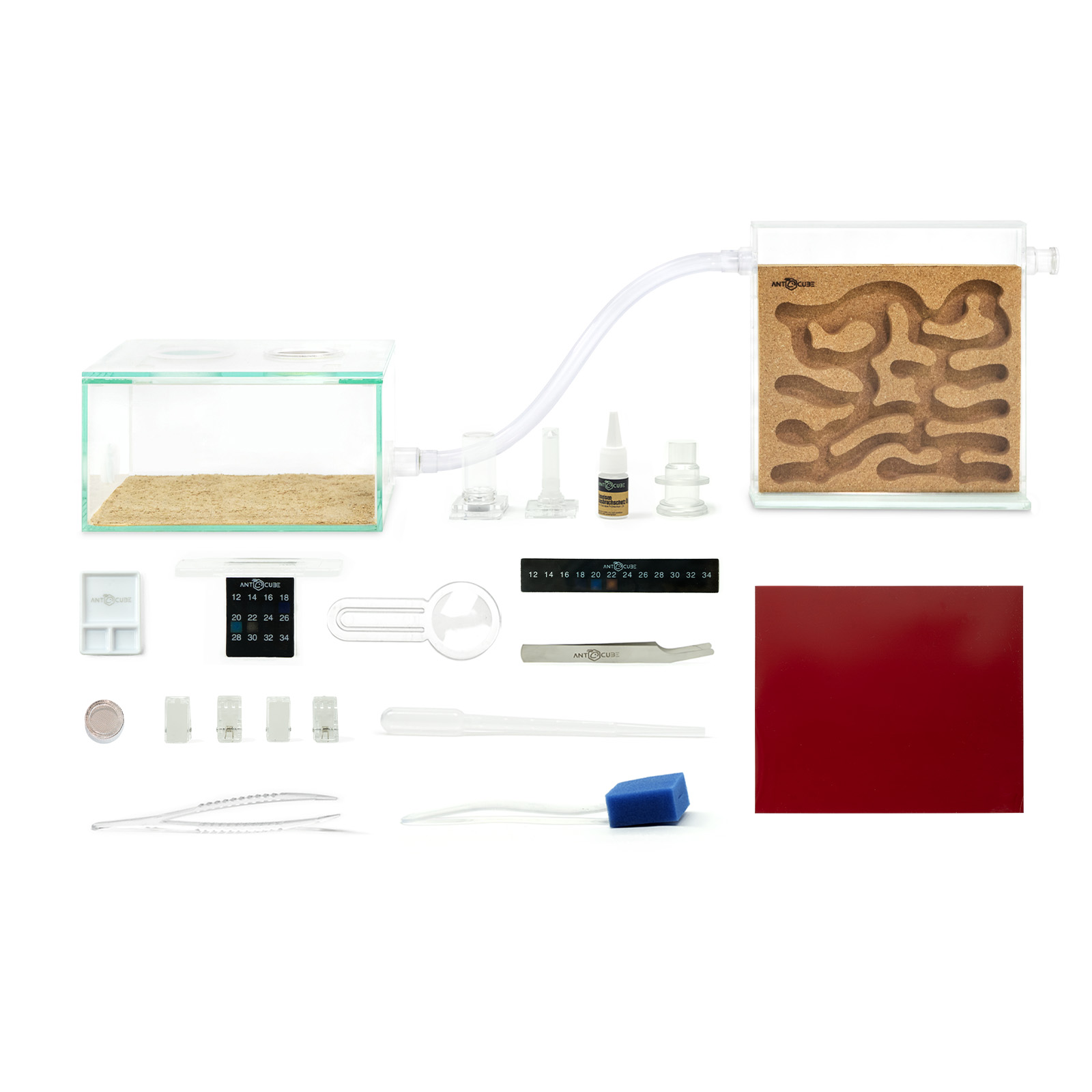
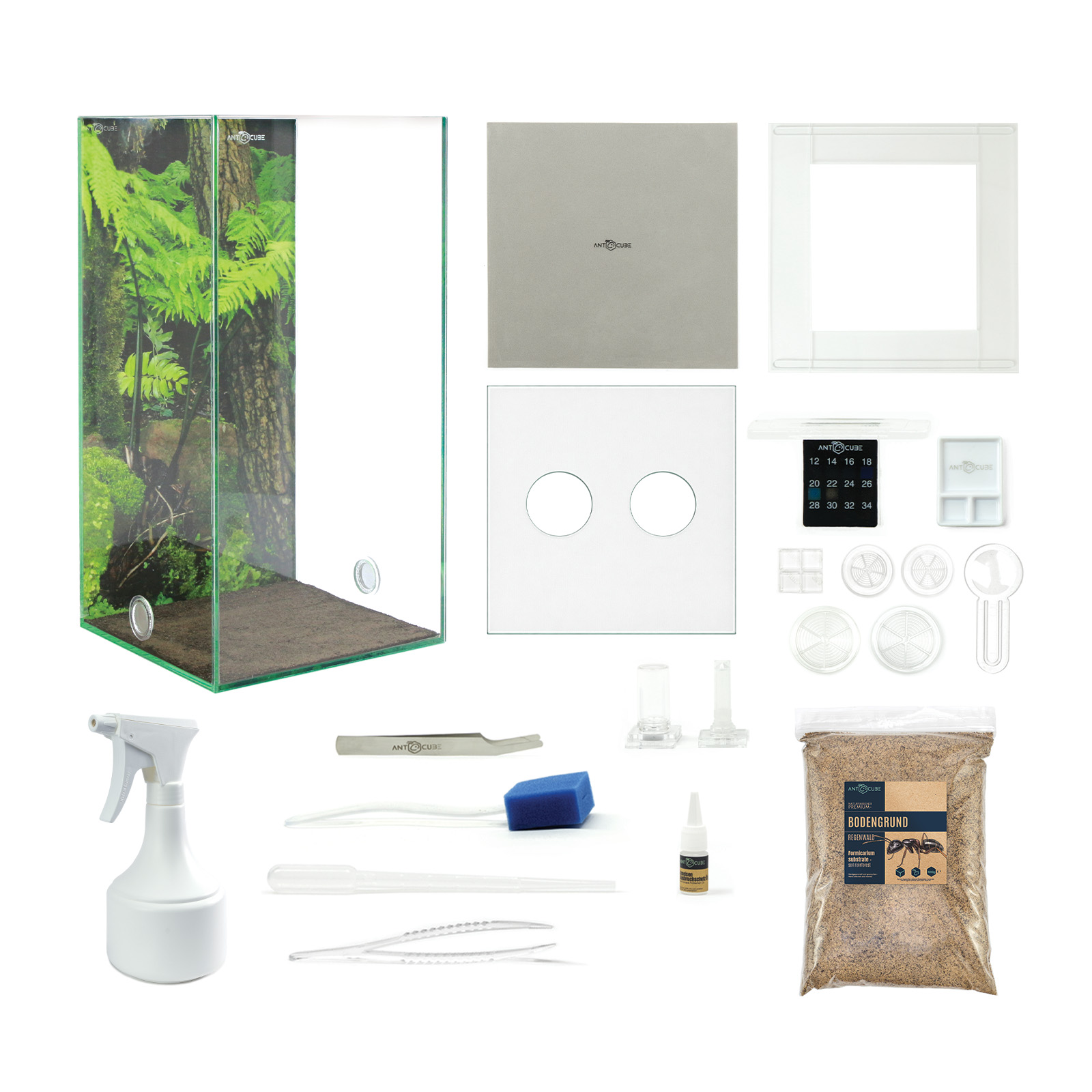
Depending on the set, our ant starter kits include housing and a selection of accessories.
You can also browse our selection of antfarms and nests after checking the requirements of the selected species.
For broader information about feeding, temperature, water, substrate, hibernation and general colony care, visit our guide to keeping ants.
Large ant colonies currently available
Some keepers prefer an established colony rather than a small founding colony. Availability changes regularly because live ant colonies develop naturally and cannot be stocked like ordinary products.
Always check the species requirements, colony size and long-term space needs before ordering an established colony.